


Quick summary
Summarize this blog with AI
The screening interview is often the first hurdle in the job application process, serving as a gatekeeper between hopeful candidates and the opportunities they seek. It is an essential step where first impressions are formed and can significantly influence the hiring decision. Understanding its intricacies and preparing accordingly can set the stage for a successful job search.
Key Highlights
- Understand the purpose of screening interviews
- Learn about common formats and questions
- Discover preparation strategies for success
- Gain insights on non-verbal communication and follow-up etiquette
- Get answers to frequently asked questions about screening interview
Understanding the Screening Interview

Purpose and Goals
Screening interviews serve as a preliminary assessment of potential candidates. Employers use them to verify the information on your resume and to gauge your interest in the role and the company. They aim to filter out candidates who may not be a good fit before moving on to more in-depth interviews. Understanding this can help you tailor your responses to emphasize how your skills and aspirations align with the company's needs.
Common Formats
The screening interview can take several forms, including phone calls, video conferences, or in-person meetings. Phone interviews are common for initial screenings, as they are time-efficient for recruiters. Video interviews have gained popularity, especially with the rise of remote work. In-person screenings are less common but can occur if the employer wants to assess your professional presence early on.
Typical Questions and Themes
Expect to answer questions about your background, experience, and skills. Questions may include, 'Tell me about yourself,' 'Why are you interested in this position/company?' and 'What are your key strengths and weaknesses?' Be prepared to discuss specific instances that showcase your abilities and to articulate how your experience aligns with the job description.
Preparation Strategies for Your Screening Interview

Researching the Company and Role
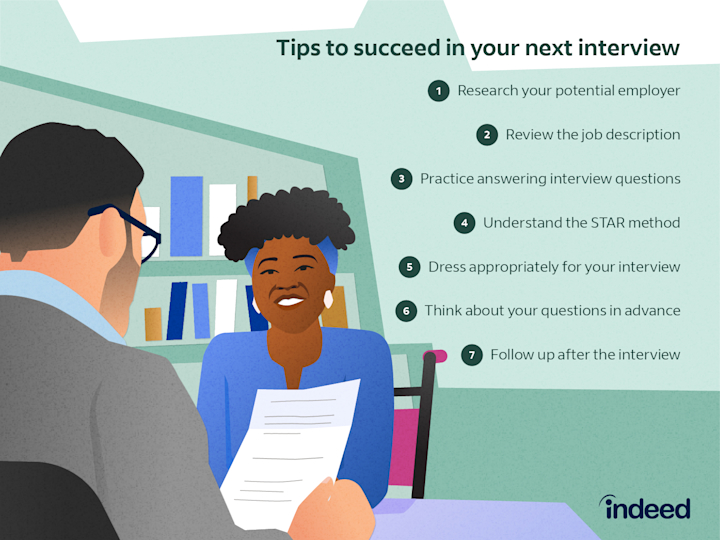
Begin by thoroughly researching the company's history, values, and recent news. Understand the role you are applying for by reviewing the job description in detail. This knowledge will allow you to craft responses that demonstrate your suitability for the position and your enthusiasm for the company.
Practicing Your Responses
Practice makes perfect. Rehearse responses to common interview questions, but avoid sounding robotic. Use the STAR (Situation, Task, Action, Result) method to structure your answers to behavioral questions. It's also beneficial to practice with a friend or mentor who can provide feedback and help you improve.
Technical Requirements and Setup
For phone or video interviews, ensure you have a quiet and well-lit environment. Test your equipment beforehand to avoid any technical issues. For video interviews, pay attention to your background and dress professionally, as you would for an in-person interview.
During the Interview: Communication and Etiquette
Verbal and Non-Verbal Communication
Your communication style can make a significant impact. Speak clearly and confidently. Maintain good posture and eye contact in video or in-person interviews. Be mindful of your body language; it should convey engagement and confidence.
Answering Questions Effectively
Listen carefully to each question and take a moment to compose your thoughts if needed. Answer directly and concisely, focusing on relevant experiences and achievements. If you don't know the answer to a question, it's okay to admit it and suggest how you would find the solution.
Asking Insightful Questions
Prepare a list of questions to ask the interviewer. This shows your interest in the role and helps you gather information to determine if the job and company are the right fit for you. Ask about the team, company culture, and the challenges and opportunities associated with the position.
Post-Interview: The Follow-Up

Sending a Thank-You Note
After the interview, send a personalized thank-you note to the interviewer. Express appreciation for their time and reiterate your interest in the position. This gesture can reinforce a positive impression and keep you top-of-mind.
Evaluating Your Performance
Reflect on your performance and take notes on what went well and what could be improved. Use this self-assessment to enhance your strategy for future interviews. It's also important to stay patient while waiting for a response and to continue your job search in the meantime.
Conclusion
Screening interviews are a critical step in the job search process. They provide an opportunity to make a strong first impression and to determine if there's a mutual fit between you and the prospective employer. By preparing thoroughly and following the strategies outlined in this guide, you can navigate your screening interview with confidence and increase your chances of advancing to the next stage.
FAQ
Q: How long should my answers be in a screening interview?
A: Keep your answers concise and focused, ideally around 1-2 minutes per response. Prioritize clarity and relevance to demonstrate your suitability for the role.
Q: Is it appropriate to negotiate salary during a screening interview?
A: It's typically best to save salary discussions for later interview stages or when an offer is extended. Focus on showcasing your value first.
Q: What should I do if I'm asked a question I don't have an answer to?
A: Be honest about what you don't know, and express your willingness to learn or describe how you would find the answer.
Q: How should I handle technical difficulties during a video interview?
A: Stay calm and communicate any issues promptly. Have a backup plan, such as a phone ready to continue the interview if necessary.
Q: Can I use notes during a phone or video screening interview?
A: Yes, it's acceptable to have notes for reference, but ensure they don't distract from maintaining a natural and engaging conversation.


