


Quick summary
Summarize this blog with AI
In the fast-paced world of corporate offices, Executive Assistants are the unsung heroes who ensure everything runs smoothly. Landing a job as an Executive Assistant requires not only impeccable organizational skills and a proactive mindset but also a thorough preparation for the interview process. This extensive guide delves into the most critical questions you might encounter and offers strategic insights to help you stand out as the top candidate.
Key Highlights
- Understand core competencies of an Executive Assistant
- Explore interview questions focusing on experience and problem-solving
- Learn how to articulate your communication skills
- Discuss the importance of confidentiality and discretion
- Prepare for inquiries about time management and multitasking
- Gain insights on behavioral questions and how to respond effectively
Understanding the Role and Key Competencies
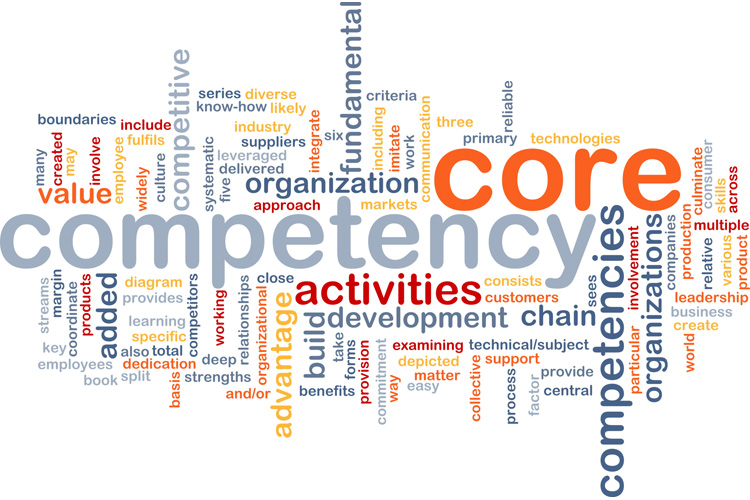
The Essence of an Executive Assistant's Role
An Executive Assistant (EA) is often considered the right hand of senior management. EAs are responsible for maintaining schedules, handling correspondence, managing projects, and facilitating communication within and outside the company. Responsiveness and attention to detail are crucial traits, as EAs must anticipate needs and ensure that executives can focus on their primary responsibilities without being bogged down by administrative tasks.
To succeed as an EA, one must possess a unique blend of soft and hard skills. Soft skills include effective communication, emotional intelligence, and the ability to maintain confidentiality. Hard skills encompass proficiency in office software, project management, and event planning. During an interview, candidates must demonstrate these competencies through specific examples and scenarios, showcasing their ability to support and enhance an executive's performance.
Key Competencies Explored
When preparing for an EA interview, focus on the competencies that are most valued in the role. Organizational skills are paramount; you must illustrate your ability to juggle multiple tasks seamlessly. Problem-solving abilities are also critical; share examples of how you've navigated complex situations. Lastly, discretion and integrity are non-negotiable, as EAs often handle sensitive information. Prepare to discuss how you've handled confidential matters in past roles, reinforcing your trustworthiness as a professional.
Common Interview Questions and How to Respond

Questions on Experience and Skill Set
Interviewers will ask about your previous experience to gauge your suitability for the role. Be ready to discuss your responsibilities in past positions, emphasizing tasks that align with the EA role. Highlight any special projects you've managed or initiatives you've led that resulted in measurable improvements. Interviewers may also probe your technical skills, such as proficiency with office software, scheduling tools, or CRM systems. Prepare to demonstrate your familiarity with these tools, possibly through a practical test or detailed explanation of how you've utilized them in your work.
Handling Behavioral Questions
Behavioral questions are a favorite among interviewers as they provide insight into how you might handle future situations based on past behavior. Expect questions like, 'Can you describe a time when you had to manage a difficult situation without the guidance of your supervisor?' To answer effectively, employ the STAR method (Situation, Task, Action, Result), detailing a relevant scenario and explaining the positive outcome your actions achieved. This method helps you structure your response and ensures you cover all critical aspects of the experience.
Demonstrating Effective Communication Skills

Articulating Your Communication Style
Communication is a cornerstone of the EA role, making it a focal point during interviews. Articulate your communication style by discussing how you adapt your approach to different audiences, whether you're liaising with executives, clients, or team members. Highlight your ability to be clear, concise, and courteous in all forms of communication, including email, phone, and in-person interactions. Provide examples of how your communication skills have facilitated project success or resolved conflicts.
Navigating Difficult Conversations
EAs often find themselves mediating or participating in tough conversations. Interviewers may ask how you handle delivering bad news or mediating disputes. Prepare to share instances where you've navigated these challenging situations with diplomacy and professionalism. Emphasize your ability to remain calm under pressure, listen actively, and work towards a resolution that respects all parties involved.
Prioritization, Multitasking, and Time Management
Mastering the Art of Prioritization
As an EA, you'll often have to decide which tasks to tackle first. Interviewers will want to know how you determine priorities, especially when faced with competing demands. Discuss your process for evaluating urgency and importance, and how you communicate your prioritization to others. Provide examples that showcase your decision-making skills and ability to remain focused on high-priority tasks.
Efficient Multitasking and Time Management
Multitasking is an inevitable part of the EA role. Share your strategies for handling simultaneous tasks without sacrificing quality. Discuss tools and techniques you use for time management, such as time-blocking or productivity apps. Illustrate your points with anecdotes where your multitasking abilities have led to successful outcomes or increased efficiency.
Conclusion
The role of an Executive Assistant is both challenging and rewarding, serving as the backbone of executive efficiency. Interviews for such positions are comprehensive, testing a wide range of skills and personal attributes. By preparing for the questions outlined in this guide and reflecting on your own experiences, you will be well-equipped to articulate your value as a candidate. Remember to remain authentic, provide concrete examples, and convey your enthusiasm for the role and the opportunity to contribute to the organization's success.
FAQ
Q: What is the most important skill for an Executive Assistant?
A: While many skills are essential, effective communication is often considered the most critical for an Executive Assistant, as it underpins all other tasks and responsibilities.
Q: How should I prepare for a practical skills test during an interview?
A: Brush up on your proficiency with common office software and tools used in the role, and be ready to demonstrate your ability to use them efficiently.
Q: Can I negotiate my salary during an Executive Assistant interview?
A: Yes, salary negotiation is appropriate, but it should be done after a job offer is extended, and you should be prepared with market research to support your request.


